 SwipeHarbor
NewsBreak / YouTube · Guide
Open Enrollment 2026 Dates: Medicare and ACA
Medicare Open Enrollment runs Oct 15 to Dec 7, 2026. The ACA Marketplace runs Nov 1 to Jan 15. All the dates, plus 6 real Medicare ads and their hooks.
By Reid Callan · 5 min read · Updated
Medicare Open Enrollment runs from October 15 to December 7, 2026, and plan changes start January 1. The HealthCare.gov Marketplace opens November 1 and closes January 15, 2027; sign up by December 15 to be covered from January 1. If you already have Medicare Advantage, you can make a change from January 1 to March 31.
All the dates in one place
We checked these on Medicare.gov and HealthCare.gov on October 25, 2026. If your state runs its own Marketplace, check its site for its dates.
- October 15, 2026: Medicare Open Enrollment starts.
- November 1, 2026: HealthCare.gov Open Enrollment starts for 2027 coverage.
- December 7, 2026: Medicare Open Enrollment ends. The plan has to get your request by this day.
- December 15, 2026: last day to pick a Marketplace plan that starts January 1.
- January 1, 2027: new Medicare and Marketplace coverage starts. The Medicare Advantage Open Enrollment Period starts too.
- January 15, 2027: Marketplace Open Enrollment ends. Plans picked from December 16 start February 1.
- March 31, 2027: Medicare Advantage Open Enrollment ends.
Sources: Medicare.gov: Joining a plan · HealthCare.gov: Dates and deadlines
Which window is yours?
If you have Medicare, the October 15 to December 7 window is the one that counts. That’s when you can join, switch or drop a Medicare Advantage plan or a drug plan for next year.
If you’re already in a Medicare Advantage plan, you get another window from January 1 to March 31. You can switch to another Medicare Advantage plan, or go back to Original Medicare and add a drug plan.
If you buy your own insurance and you’re under 65, the HealthCare.gov dates are yours. If your insurance comes through work, your employer sets its own open enrollment dates, so ask HR.
Sources: Medicare.gov: Joining a plan · HealthCare.gov: Dates and deadlines
6 Medicare ads to study this season
NewsBreak
Goatdealo.online

Could Your Medicare Plan Help Pay for Healthy Food?
- The angleGrocery benefits, asked as a question. The card in her hand does the selling.
- SeenOct 14 to Oct 22
- Landing pagei2fg.com
NewsBreak
Search | Medicare 2027

The New Medicare Advantage Rules For 2027
- The angleNext year’s rules, a month before the season opens.
- SeenSep 15
- Landing pagecontradia.com
NewsBreak
Search | Medicare Advanta
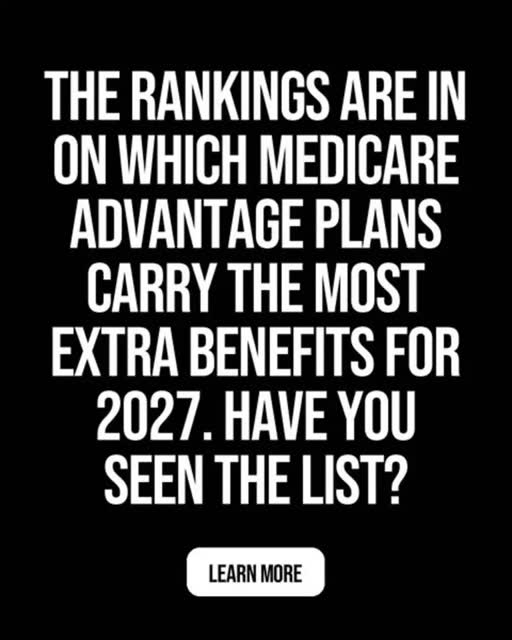
2027 Medicare Advantage Plans: Extra Benefits Comparison
- The angleOnly text. “The rankings are in” promises a list.
- SeenSep 25
- Landing pagefintreat.com
NewsBreak
Search Medicare Mobility

Medicare May Cover Mobility Scooters - Learn More
- The angleNo person in the picture, just a warehouse full of scooters.
- SeenOct 23
- Landing pagefrugalinfo.com
YouTube
Scripps Health
This open enrollment, choose the doctors and support you'll want when it matters most.
- The angleA health system, not an insurer. It asks you to pick doctors first.
- SeenOct 25
YouTube
AARP
AARP Medicare Expert, Tricia Sandiego gives advice on what timing may be best for you.
- The angleAdvice from a named expert, about timing.
- SeenOct 19
The offer angle: sell the answer, not the plan
None of the four NewsBreak ads sells a plan. Each one sells an answer: next year’s rules (contradia.com), a comparison of extra benefits (fintreat.com), whether Medicare covers a scooter (frugalinfo.com), and whether a plan pays for groceries (through a redirect link on i2fg.com).
The YouTube ads come from names people already know, so they sell trust instead. Scripps Health asks you to pick your doctors first. AARP puts a named Medicare expert on camera to talk about timing.
Only Scripps uses the words “open enrollment”. The others tie themselves to the season with the year: “2027” is in two of the six ads.
The hook: a question the reader can’t answer yet
Four of the six hooks are questions. “Could Your Medicare Plan Help Pay for Healthy Food?” “What Are The New Medicare Advantage Rules For 2027?” “Have you seen the list?” “New to Medicare?”
A question works here because a Medicare shopper often doesn’t know the answer and suspects they should. Fintreat adds a second pull with “The rankings are in”, which promises a ranked list.
The CTA: ask for a read, not a sale
On NewsBreak, the calls to action are soft: “View Guide”, “Learn More”, “(read more)”. The grocery ad has no CTA words at all and lets the question do the work. None of the four asks for a phone call or a sign-up in the ad itself.
That fits the job. The click goes to an article, and the article does the selling.
Landing-page match: keep the promise you made
We opened the three article pages on October 25. Two keep the ad’s promise almost word for word. The contradia.com ad asks about the new 2027 rules, and the page is titled “Your Complete Guide to 2027 Medicare Advantage Rule Changes”. The frugalinfo.com scooter ad leads to “Medicare Coverage for Mobility Scooters Explained”, with a section on medical necessity and the face-to-face requirement.
The fintreat.com ad says “The rankings are in”, which can read as an official result. The page does deliver a numbered list of five carriers, and it labels the list “an editorial comparison—not an official CMS ranking”. If your ranking is your own, say so in the ad as well as on the page.
How to use these ads in your own research
- Open the full ad and write down the hook words and the CTA.
- Click through and compare the ad’s headline with the landing page title. A close match is the first thing to copy.
- Read the landing URL. Article ads often carry the search terms the page will show. The scooter ad’s link lists “How to Get a Free Scooter from Medicare”, a keyword you can check.
- Check every benefit claim against Medicare.gov before you reuse an angle.
- After November 1, look for Marketplace ads and compare their hooks with these Medicare ones.
Sources: Medicare and insurance ad examples · YouTube ad spy · Coverage
Before you copy anything
This page isn’t advice about which plan to pick. Use Medicare.gov, HealthCare.gov or a licensed agent for that. We haven’t checked what these advertisers claim, and showing an ad here isn’t an endorsement.
SwipeHarbor covers NewsBreak, Rumble and YouTube today. Meta, TikTok, Taboola and SmartNews are coming soon.
SwipeHarbor Pro
Your next idea is out there.
NewsBreak, Rumble, and YouTube.
Standard price
Yearly Pro
$66.58/month
$799/year · billed yearly, upfront
Get yearly Pro$79.99/month
Get monthly ProExisting subscribers keep their current price.
Your price is confirmed at Stripe checkout.
Read next
Cross-platform research
Competitor Ad Analysis Template: 10 Fields for a Test Brief
A free competitor ad analysis template: 10 fields per ad, six more for PPC search ads, where to find each platform’s ads, and a free brief builder.